Checking Out the Necessary Duty of Aluminum Factory in Modern Manufacturing Processes
Aluminum factories serve a crucial feature in contemporary manufacturing. They transform raw aluminum right into important parts throughout various sectors. This conversion procedure is marked by advanced spreading methods that boost performance. In addition, the shops are increasingly taking on sustainable practices, mirroring a shift in the direction of ecologically responsible production. Recognizing their duty discloses not simply their influence on production however also the wider effects for technology and sustainability in the market. What exists in advance for light weight aluminum shops in this developing landscape?
The Value of Light Weight Aluminum in Modern Manufacturing
Aluminum plays a crucial role in contemporary manufacturing because of its one-of-a-kind homes. This lightweight metal is understood for its exceptional strength-to-weight ratio, making it an optimal option for various applications. Its deterioration resistance boosts toughness, lowering maintenance expenses and enhancing product durability. The malleability and ductility of light weight aluminum permit for complex designs and complex forms, which are essential in sectors varying from automotive to aerospace. Additionally, light weight aluminum's thermal and electrical conductivity makes it suitable for electric elements and heat exchangers. The recyclability of aluminum substantially adds to sustainable production techniques, as it can be reused without loss of top quality. This adaptability not just supports advancement however likewise assists satisfy the growing need for eco-friendly options. Generally, aluminum's distinctive characteristics setting it as an essential material in modern manufacturing, driving advancements and performance throughout numerous industries.
Summary of the Light Weight Aluminum Spreading Refine
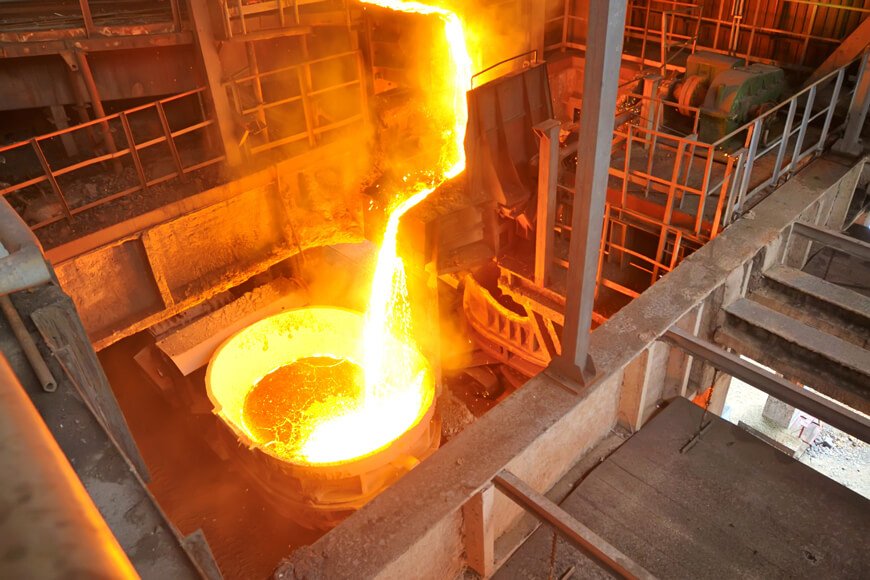
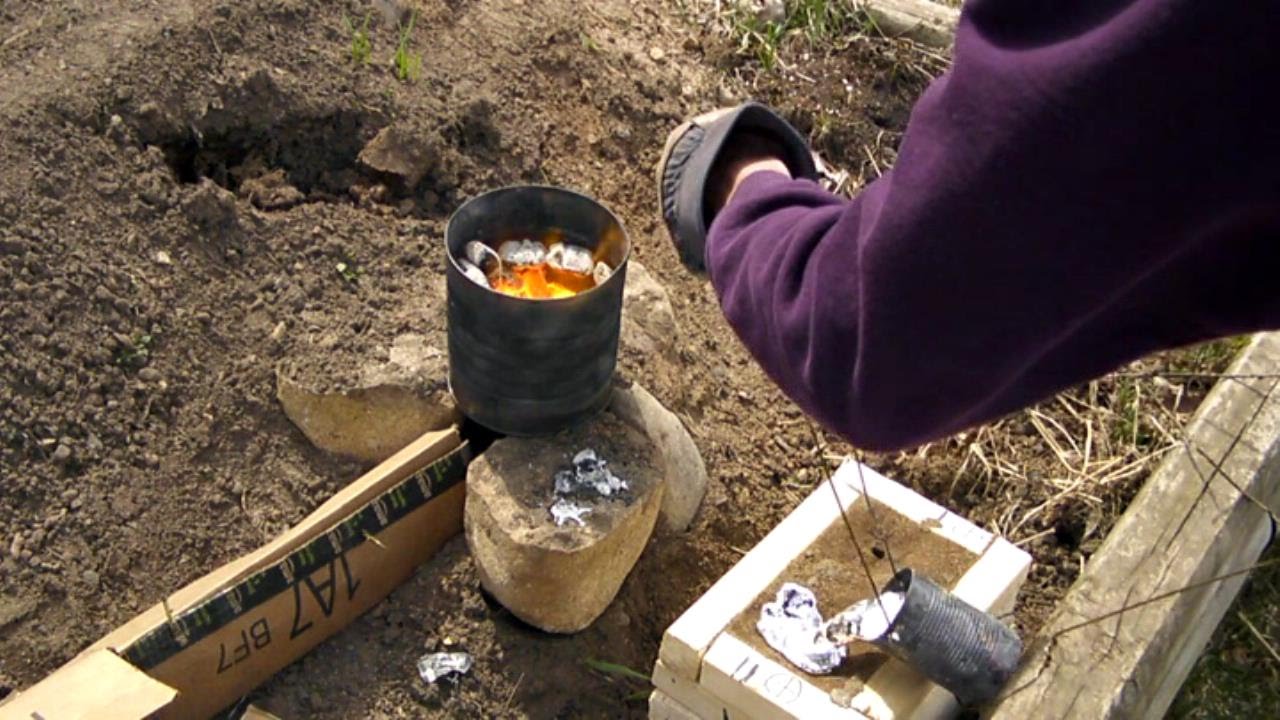
The light weight aluminum casting process is an important technique for shaping this flexible steel right into complex kinds fit for a wide variety of applications. This process commonly begins with melting aluminum ingots in a heating system, where temperature levels can exceed 1,200 levels Fahrenheit. When the light weight aluminum gets to a liquified state, it is put right into a mold and mildew made to create the desired shape.
There are numerous casting approaches utilized, including sand spreading, die spreading, and financial investment casting, each offering special benefits for various applications. After the light weight aluminum cools and strengthens, the mold and mildew is gotten rid of, disclosing the cast component, which may need additional completing procedures such as machining or surface therapy to attain the needed requirements.
Quality assurance is essential throughout the spreading procedure, making certain that the last items fulfill sector requirements for strength, sturdiness, and dimensional precision. This precise approach underlines the importance of aluminum spreading in modern manufacturing.
Trick Advantages of Light Weight Aluminum Foundries
Light weight aluminum factories use several essential benefits that boost contemporary production procedures. The lightweight nature of light weight aluminum adds to significant weight savings in various applications, while affordable production services make it an attractive option for producers. In addition, the functional style capacities of aluminum permit innovative and intricate item development, conference varied market demands.
Light-weight Material Perks
In the domain name of contemporary production, lightweight products have actually ended up being an important focus, with light weight aluminum factories using considerable advantages. Light weight aluminum, understood for its low thickness yet durable stamina, enables the production of components that reduce total weight without endangering structural integrity. This particular is particularly useful in markets such as vehicle and aerospace, where minimizing weight translates to enhanced fuel efficiency and efficiency. Moreover, light weight aluminum's excellent rust resistance enhances product long life, decreasing maintenance needs. The versatility of aluminum factory procedures allows for complicated geometries and elaborate layouts, helping with cutting-edge applications. Additionally, aluminum's recyclability adds to sustainability initiatives, making it an environmentally pleasant selection in modern manufacturing techniques. These lightweight material advantages placement aluminum factories as essential players beforehand modern manufacturing.
Economical Production Solutions
While several products can be used in production, light weight aluminum foundries stick out for their cost-efficient solutions that improve manufacturing effectiveness. The processes utilized in light weight aluminum factories, such as die casting and sand casting, enable high-volume manufacturing at lower costs compared to other products. The lightweight nature of aluminum minimizes delivery and handling expenditures, even more adding to overall financial savings. In addition, aluminum's recyclability minimizes waste and lowers material costs, making it an eco-friendly option. The quick turnaround times common of aluminum foundries make it possible for suppliers to react quickly to market demands, guaranteeing competitive pricing. The toughness of light weight aluminum components leads to lower upkeep costs over the item's lifecycle, strengthening its setting as a financially viable choice in contemporary production.
Versatile Style Capabilities
The flexibility of light weight aluminum factories significantly boosts their charm in modern-day manufacturing. They supply a large range of layout abilities, enabling the manufacturing of complex and detailed shapes that fulfill certain client needs. This adaptability permits for the combination of different features, such as lightweight frameworks and improved thermal properties, making aluminum a perfect option for diverse applications. The capacity to utilize different spreading methods, including sand, pass away, and investment casting, further expands their design potential. This adaptability not just fits customized styles yet likewise assists in rapid prototyping, reducing time to market. Aluminum shops play a crucial role in making sure that manufacturers can introduce while preserving efficiency and top quality in their production processes.
Advancements in Aluminum Spreading Technologies
As advancements in technology improve the landscape of production, innovations in light weight aluminum casting have arised as an essential pressure driving efficiency and top quality. One substantial growth is the intro of computer system mathematical control (CNC) machining, which boosts precision in mold-making and minimizes manufacturing time (Aluminum Foundry). Additionally, the adoption of sophisticated simulation software program allows shops to forecast and correct prospective flaws in the casting procedure, resulting in boosted product stability
Strategies such as low-pressure die spreading and vacuum cleaner casting are obtaining grip, offering improved control over metal circulation and decreasing porosity in final items. The integration of 3D printing additionally provides chances for rapid prototyping and the production of complicated geometries that were formerly unattainable.
These innovations not only strengthen the one-upmanship of light weight aluminum factories yet also satisfy the developing needs of industries ranging from auto to aerospace, making sure high-grade elements with optimized efficiency. - page Aluminum Foundry
Sustainability Practices in Aluminum Foundries
Acknowledging the immediate need for environmental responsibility, light weight aluminum factories are progressively embracing sustainability practices that minimize their environmental impact. These methods incorporate numerous approaches aimed at minimizing waste, preserving energy, and making use of recycled products. Numerous factories have actually carried out innovative recycling systems, enabling them to reuse and reclaim light weight aluminum scrap, substantially lowering material consumption and waste manufacturing.
On top of that, energy-efficient modern technologies, such as electric melting heaters, are being taken on to reduce greenhouse gas emissions. Moreover, factories are concentrating on water preservation with closed-loop systems, which reuse process water, consequently minimizing freshwater use.
Carrying out sustainability accreditations and adhering to sector criteria better boosts their commitment to environmental stewardship. By accepting these methods, light weight aluminum factories not only add to a greener earth however additionally boost their operational performance and competition in the market. This change towards lasting operations mirrors a Clicking Here growing pattern in modern-day manufacturing that prioritizes both environmental and economic health and wellness.
The Duty of Light Weight Aluminum Foundries in the Supply Chain
Aluminum factories act as essential nodes in the production supply chain, offering important products that sustain different industries. They play a substantial function in transforming raw light weight aluminum right into useful components with spreading procedures, which are basic for sectors such as automotive, aerospace, and construction. By producing light-weight yet sturdy components, light weight aluminum foundries add to improved item performance and power performance.
The assimilation of factories right into the supply chain guarantees a constant flow of high-grade aluminum items, making it possible for producers to meet market demands promptly. Furthermore, factories commonly team up with makers and vendors to maximize material sourcing and minimize preparations, fostering a much more structured manufacturing process. Their experience in metallurgy and casting strategies allows them to adjust and innovate to the advancing needs of different sectors. Aluminum shops are indispensable for preserving the honesty and efficiency of contemporary production operations.
Future Trends in Light Weight Aluminum Production Processes
The future of light weight aluminum manufacturing procedures is positioned for significant change via automation and lasting practices. Improvements in automated systems are expected to enhance performance and accuracy in production, while an expanding emphasis on sustainability will certainly drive the sector in the direction of eco-friendly approaches. With each other, these fads will shape an extra accountable and ingenious aluminum production landscape.
Automation in Light Weight Aluminum Production
In the last few years, the integration of automation modern technologies has transformed aluminum manufacturing, leading to enhanced performance and accuracy. Automated systems improve various procedures, from melting and casting to finishing, decreasing human error and raising output uniformity. Advanced robotics and machine learning formulas promote real-time tracking and changes, making sure excellent conditions throughout manufacturing. Aluminum Foundry. Making use of automated guided vehicles (AGVs) enhances product handling, reducing downtime and labor expenses. In addition, data analytics play an important duty in predictive maintenance, permitting prompt treatments that reduce equipment failings. As the demand for top notch light weight aluminum products remains to rise, producers are significantly adopting automation to stay affordable, improve procedures, and react promptly to market modifications while preserving item stability
Lasting Production Practices
An expanding focus on sustainable production techniques is shaping the future of aluminum production. Business are significantly adopting green techniques to reduce waste and minimize power intake. Technologies such as reusing campaigns and using eco-friendly power resources are ending up being integral to the light weight aluminum factory field. By executing closed-loop systems, producers can significantly lower their carbon footprint while making best use of source performance. In enhancement, innovations in alloy solutions are making it possible for the development of lighter, stronger materials that call for much less energy throughout production. Regulatory stress and customer demand for sustainable products are driving these adjustments, pressing suppliers to focus on environmental considerations look at here now together with standard efficiency metrics. The pattern toward sustainability guarantees to transform light weight aluminum production, aligning market exercise with global environmental objectives.
Often Asked Questions
What Are the Common Applications of Light Weight Aluminum Castings in Everyday Products?
Usual applications of aluminum spreadings consist of automobile components, aerospace parts, household home appliances, customer electronics, and commercial machinery. These functional spreadings are favored for their light-weight, rust resistance, and excellent thermal conductivity in different sectors.
How Do Aluminum Foundries Make Certain Quality Assurance in Their Production Processes?
Light weight aluminum factories execute strenuous high quality control actions, including routine examinations, material screening, and adherence to industry standards. These methods assure consistency, toughness, and efficiency in the end products, eventually improving client contentment and count on.
What Safety And Security Actions Are Implemented in Light Weight Aluminum Foundries Throughout Production?
Precaution in aluminum shops throughout production include safety equipment for employees, ventilation systems to handle fumes, normal devices upkeep, security training programs, and adherence to governing criteria to lessen dangers connected with molten metal handling.
Just How Does Light Weight Aluminum Recycling Influence Factory Operations and Sustainability?
Light weight aluminum recycling considerably boosts factory operations by lowering raw product expenses and power intake. This technique promotes sustainability, minimizes waste, and sustains round economic situation concepts, ultimately profiting both the manufacturing and the setting sector.
What Are the Normal Lead Times for Aluminum Spreading Projects?
Common lead times for aluminum casting tasks vary, typically varying from two to 6 weeks. Elements influencing these times consist of project intricacy, product schedule, and production ability, all of which add to the overall timeline.
Aluminum shops provide numerous key advantages that enhance contemporary production processes. In the domain name of modern-day manufacturing, light-weight products have ended up being a vital emphasis, with light weight aluminum foundries supplying significant benefits. While many products can be utilized in manufacturing, aluminum factories stand out for their affordable remedies that enhance production effectiveness. The convenience of aluminum foundries substantially enhances their appeal in contemporary production. Light weight aluminum foundries serve as critical nodes in the manufacturing supply chain, supplying essential materials that fuel numerous markets.
Comments on “Why Aluminum Foundry Wisconsin supports casting productivity”